ISPF – Innovation and Science Promotion Foundation

The Classroom in Action

Empowering Teachers. Inspiring Learners.
Through hands-on STEM education and mentorship, ISPF strengthens teaching practices and transforms learning outcomes for every child.

Join Our Movement

Our Mission & Vision

Vision

Inclusive, Experiential, and Competency Education for Every K-10 Learner

Mission

ISPF delivers accessible, curriculum-aligned, and engaging experiential STEM programmes that lay a strong foundation for every K-10 student with conceptual mastery, real-life connections, and essential competencies, including 21st-century skills and science and maths literacy needed for future careers.

For students with a keen interest or aptitude, we offer structured pathways and mentorship that enable them to explore advanced concepts, engage in real-world projects, and grow into engineers, doctors, researchers, and other STEM professionals with the skills and mindset to thrive in their fields.

We also empower educators with comprehensive support, including pedagogy, classroom resources, holistic assessment strategies, practical teaching methods, and hands-on materials. This equips them to enhance learning outcomes, spark curiosity, and inspire a lifelong love for exploration in every child.

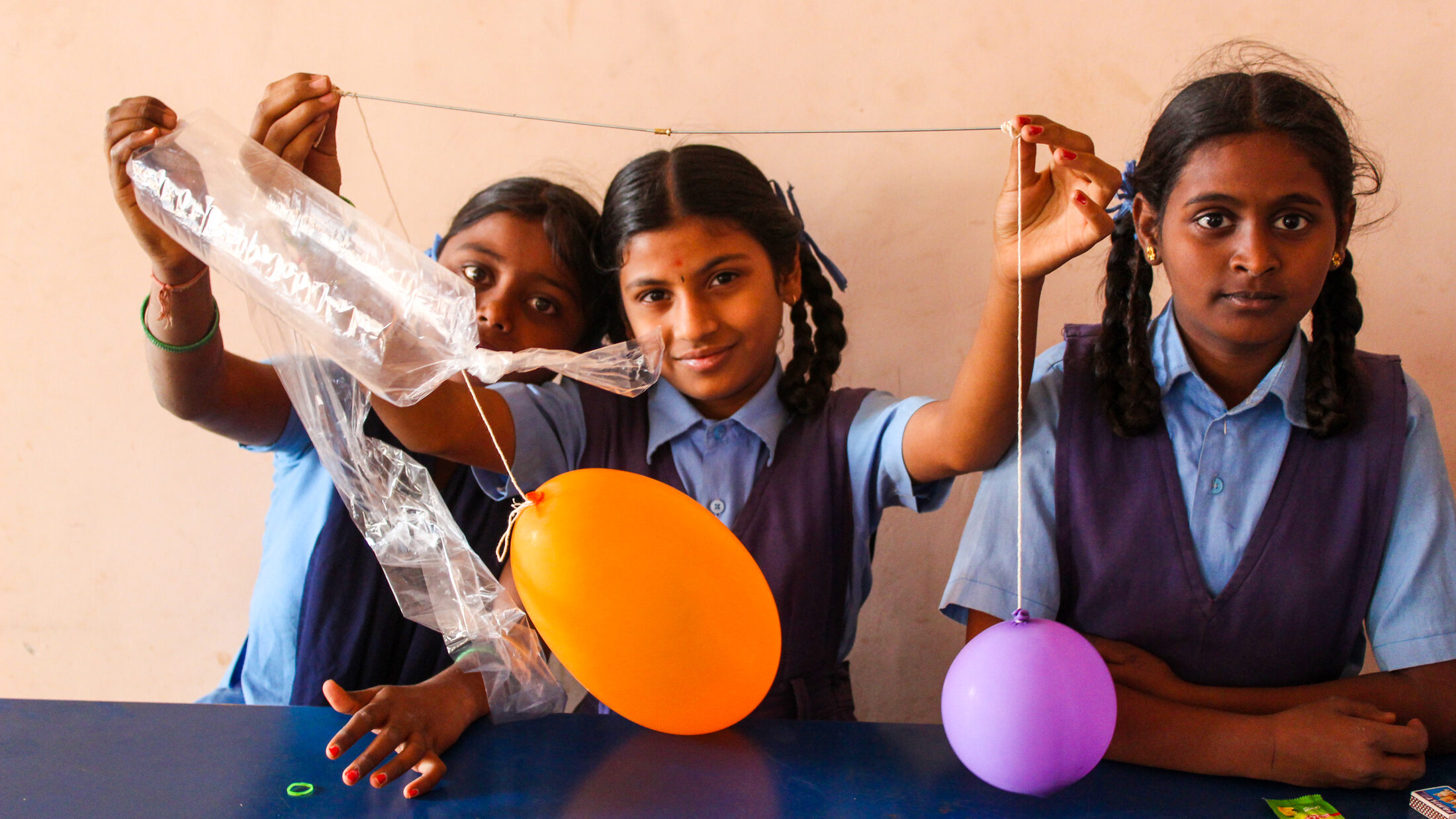
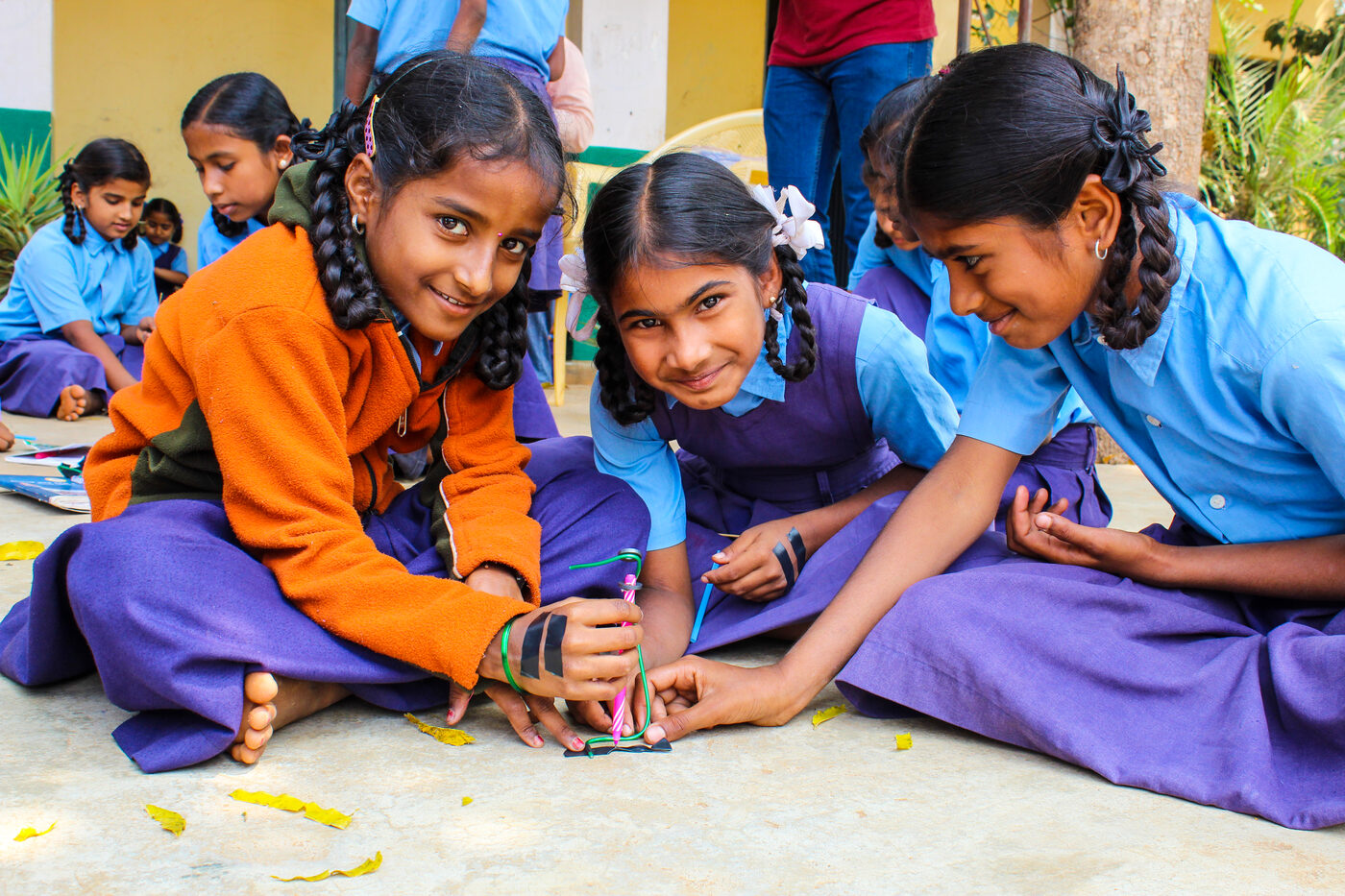
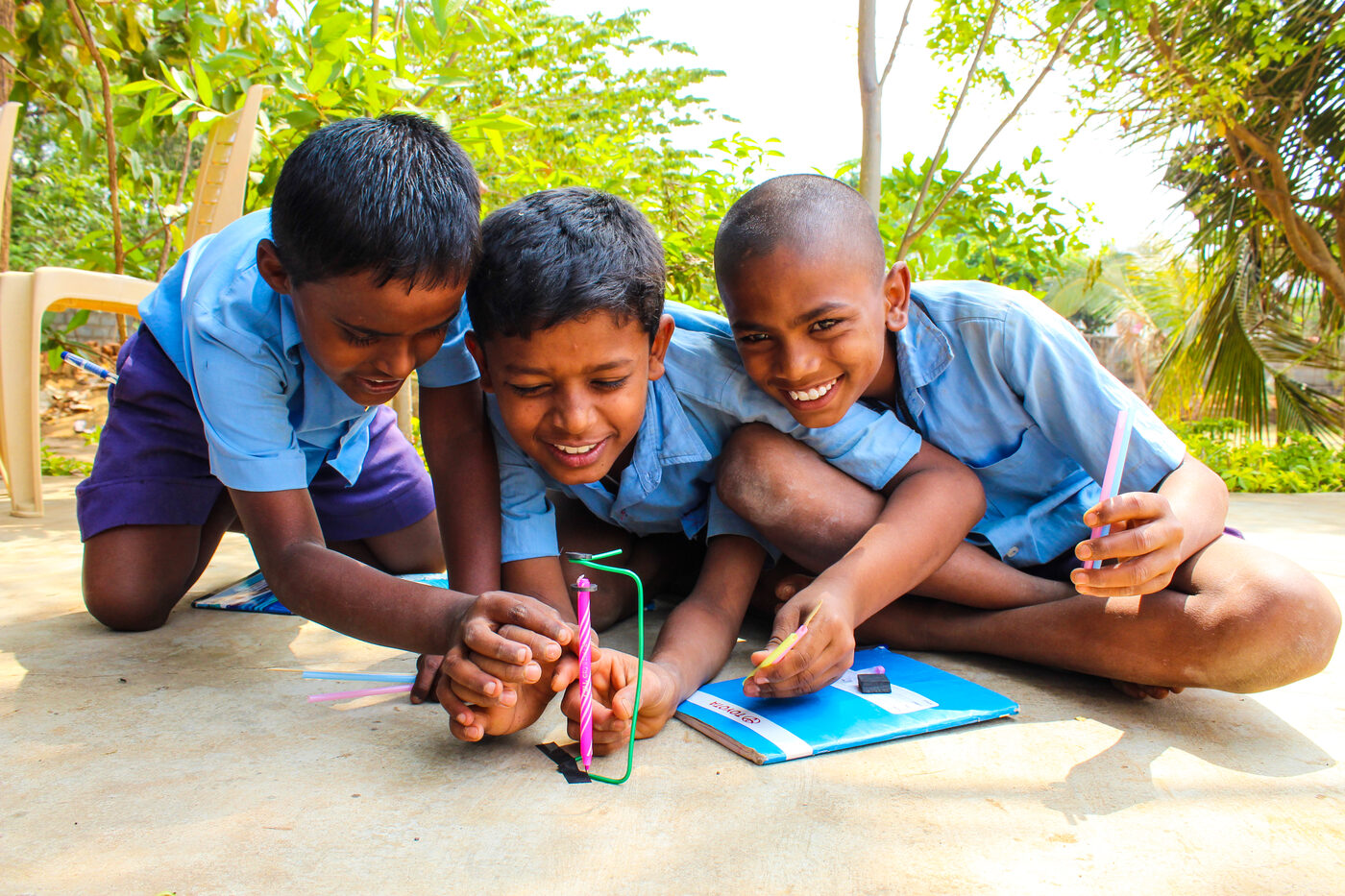
Students in classroom
Students engaged in hands-on STEM learning
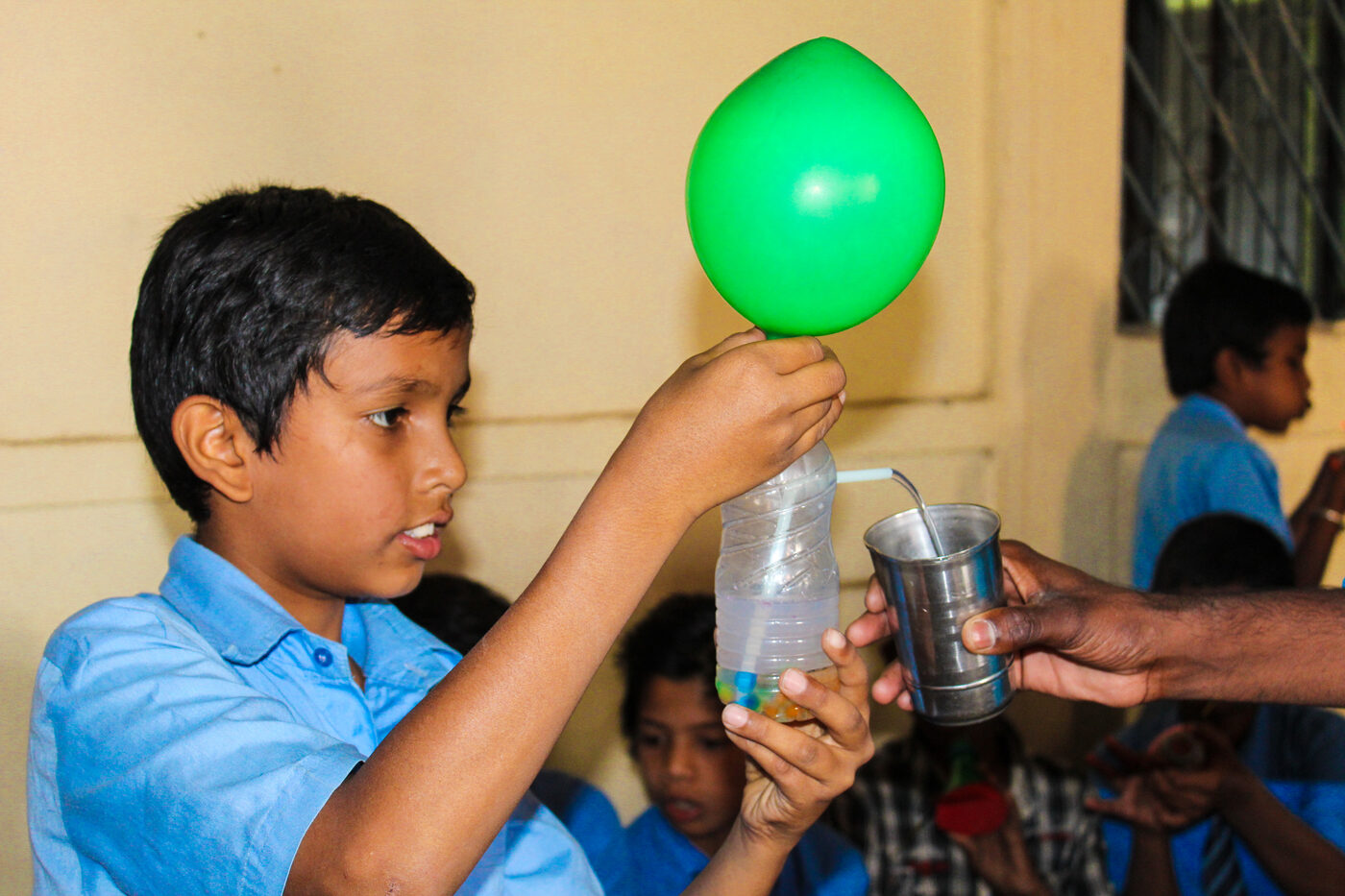
Science experiment
Experiential learning through scientific exploration
Teacher and students
Building teacher capacity in enquiry-based pedagogy
Mathematics learning
Making mathematics engaging and accessible
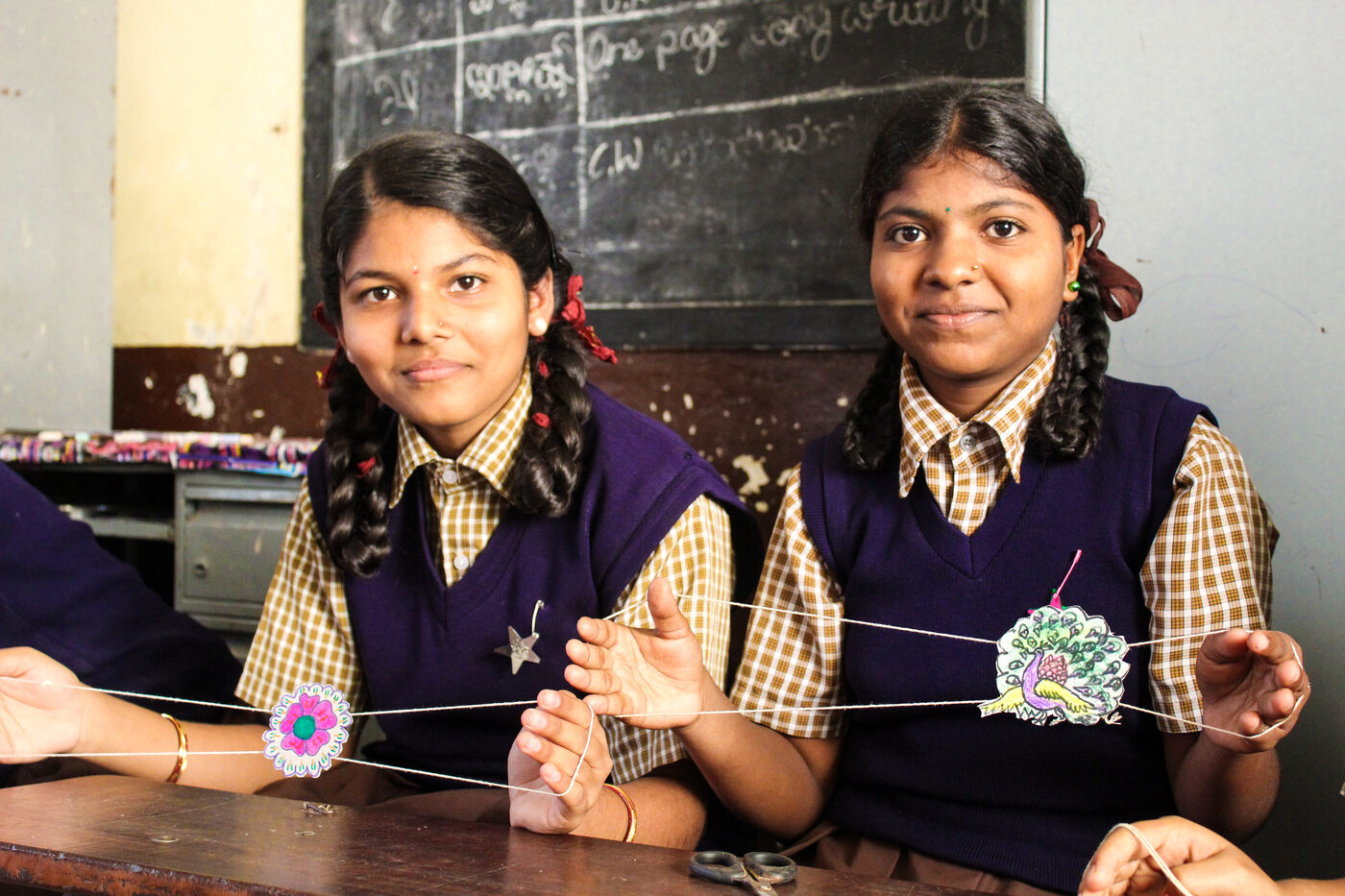
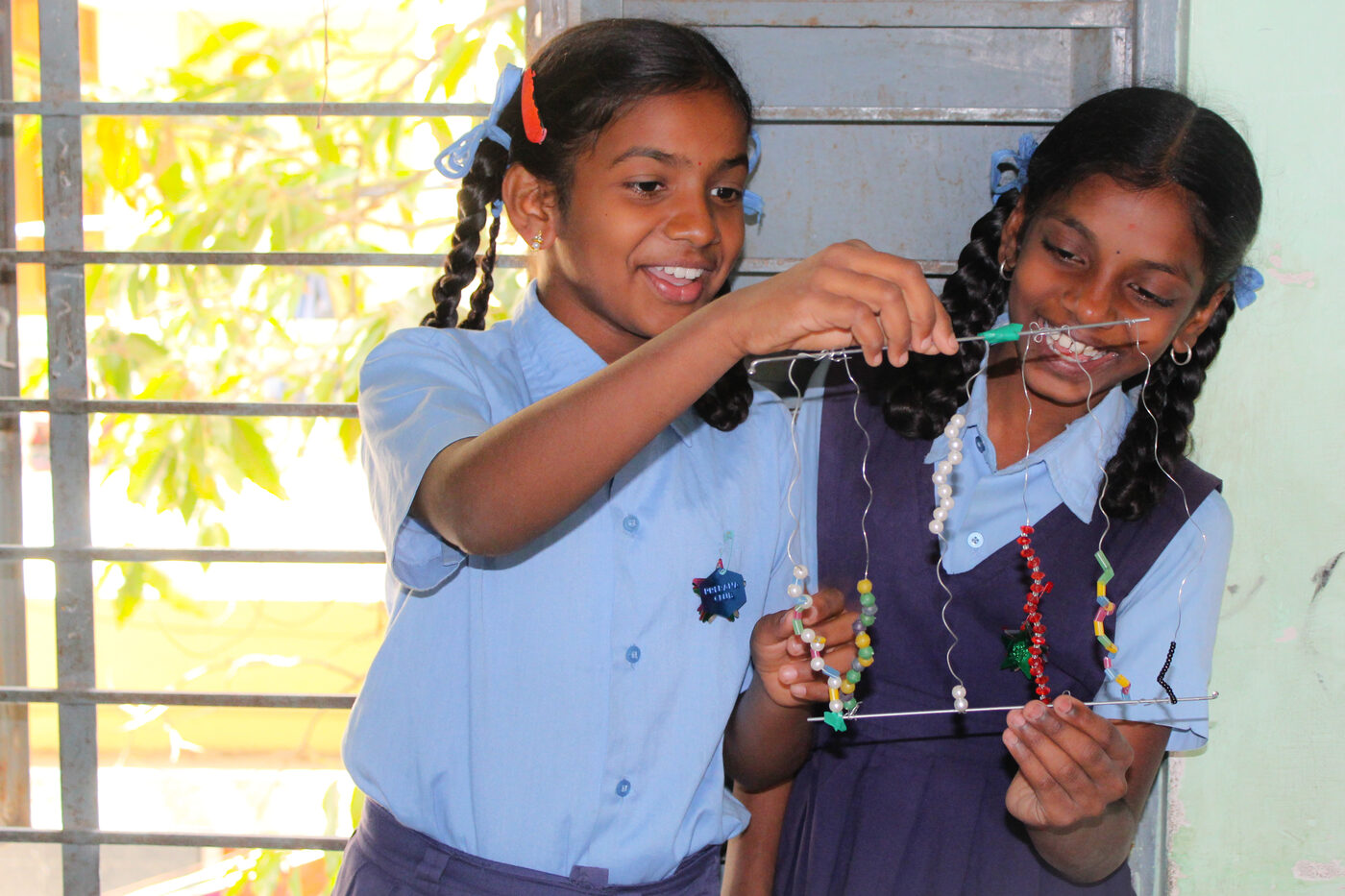
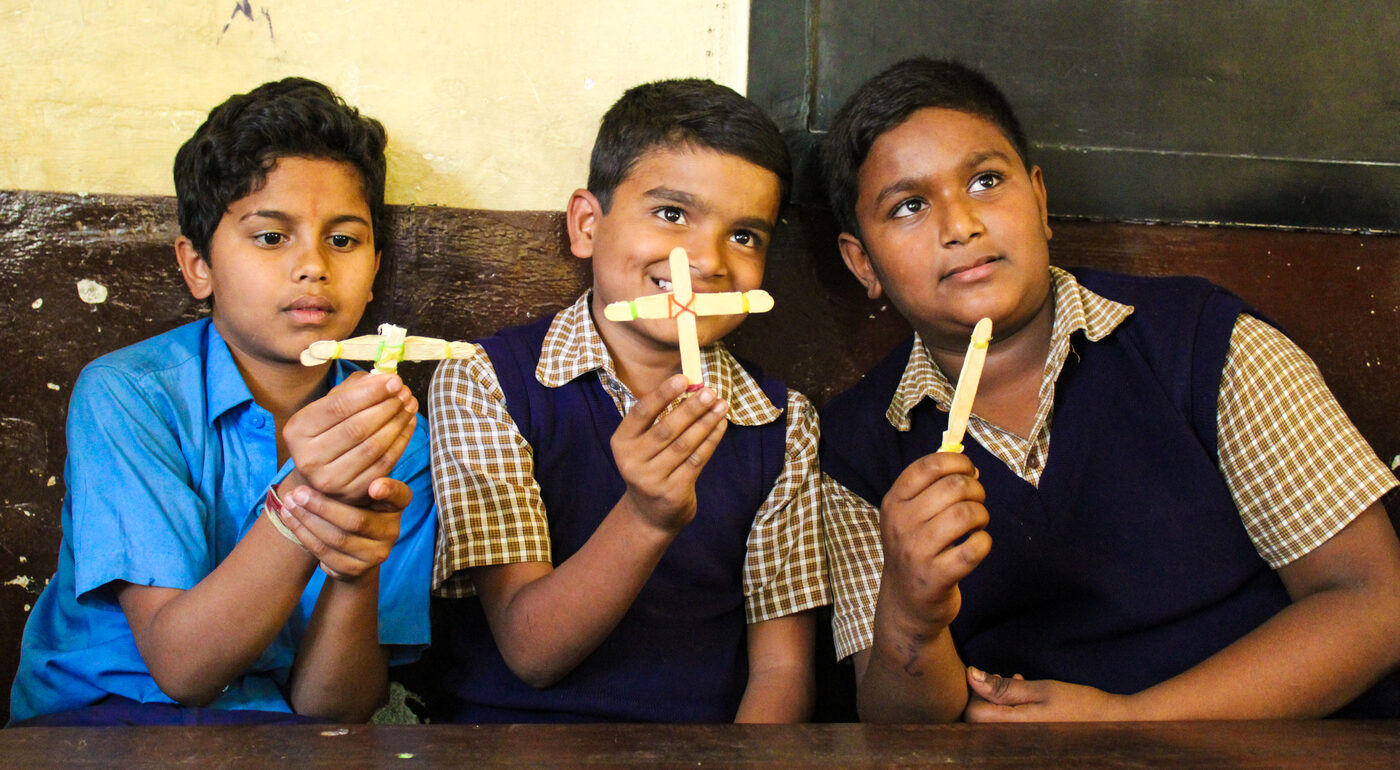
Student projects
Students showcasing their innovative projects
Student projects
Students showcasing their innovative projects

Our Impact

πŸŽ“
0
Students Reached
🏫
0
Partnered Schools
⭐
0
Years of Excellence
πŸ“
Multiple
States Covered
πŸ‘¨β€πŸ«
0
Teachers Trained

Our Philosophy

We believe that learning is most powerful when it is experiential, and curiosity becomes the starting point for discovery and knowledge creation. Our philosophy is rooted in the conviction that science and mathematics education must move beyond textbooks to engage the hands, mind, and heart of every learner.

Values and Ethics

Our work is guided by integrity, inclusivity, and purpose. We uphold ethical practices in every partnership, ensuring transparency, accountability, and respect for every stakeholderβ€”from students and teachers to CSR partners and community institutions. We view education as a shared societal responsibility and are deeply committed to democratising access to quality learning opportunities, particularly for children in underserved communities.

We believe that innovation and empathy go hand in hand. Every intervention is designed to be locally relevant, culturally respectful, and pedagogically sound. We strive to cultivate learning ecosystems that empower teachers, engage students, and uplift communities through the joy of scientific exploration.

Approach to Social Impact

ISPF adopts a collaborative and evidence-based approach to social change. By integrating experiential science and mathematics learning into mainstream education, we transform classrooms into spaces of enquiry and creativity. Our initiatives combine hands-on activities, teacher capacity-building, and sustained mentorship to ensure that learning outcomes are both measurable and meaningful.

Through strategic partnerships with governments, CSR organisations, and academic institutions, ISPF bridges systemic gaps in education. We focus on building teacher ownership and community participation so that the transformation continues long after project completion.

Sustainability and Vision

Aligned with UN Sustainable Development Goal 4 (Quality Education), ISPF’s vision is to build a future where every child, regardless of background, develops scientific temper, problem-solving ability, and confidence to navigate an evolving world.

Our impact is measured not only by the numbers we reach but by the depth of transformation, in the curiosity sparked in a classroom, the confidence of a teacher, and the growing belief that learning can be joyful and meaningful.

At its heart, ISPF’s philosophy is simple yet transformative: to ignite curiosity, enable capability, and inspire lasting change.

ISPF – Journey of Enquiry and Innovation

2012
Foundation of ISPF
Innovation and Science Promotion Foundation (ISPF) was founded by Ravi Rangan (social entrepreneur, product designer), Yashodeep Deodhar (educator, technologist), S. K. Jain (educationist, science communicator), and other visionaries committed to transforming science education through experiential learning.
2014
First Experience Centre
The first experience centre is established at The Valley School (KFI), Bangalore, serving as a living laboratory for hands-on science activities and teacher engagement.
2015
Incubation and Early Growth
ISPF begins structured activities at The Valley School, conducting weekly government school visits and teacher capacity building. The centre is named CELES – Centre for Learning in Environment and Sustainability.
2016
Fellowship and Early Expansion
ISPF secures a foundational grant, marking the beginning of its growth as a structured organisation. With this support, it initiates work in three government schools and sets up its first city office in Malleswaram, Bangalore. The year also sees the launch of the first government-led teacher training workshop in Chhattisgarh, expanding ISPF’s reach beyond Karnataka and establishing early partnerships with public education systems.
2017
Scaling Up and Founding of ThinkTac
Building on its early success, ISPF expands its school-based initiatives to eight government schools in Bangalore, strengthening its model for sustained experiential learning. A collaboration with a science education trust leads to the creation of the Raman Young Science Innovator (RYSI) Awards, celebrating creativity and innovation among students. To extend experiential learning to a wider audience, ThinkTac is founded by the RYSI trustees as an independent social enterprise. ISPF’s outreach widens through statewide teacher development workshops across 24 districts of Chhattisgarh, reinforcing its growing national presence.
2018
Panchavati: A New Home
ISPF establishes its base at Panchavati, the historic residence of Sir C. V. Raman in Bangalore. The site becomes a hub for R&D and workshops. Raman Awards (RYSI) expand, and ThinkTac investment fuels rapid team growth across R&D, media, and facilitation. Structured curriculum mapping begins, embedding ISPF content into educational frameworks.
2019
Establishing a National Presence
ISPF’s reach expands significantly with the launch of the REST Awards, recognising excellence in science teaching across the country. The year marks the start of multiple large-scale education partnerships that extend ISPF’s experiential learning programmes to new regions, including Chennai, Karnataka, Telangana, Maharashtra, and West Bengal. Through these initiatives, ISPF strengthens its role as a national facilitator of enquiry-driven STEM education, delivering workshops and teacher training programmes that inspire curiosity and innovation in classrooms nationwide.
2020
Adapting During the Pandemic
When the pandemic disrupted on-ground engagement, ISPF swiftly pivoted to digital outreach, ensuring learning continuity across India. Through webinars and virtual workshops, the organisation reached thousands of teachers and students, fostering experiential learning in a remote format. Collaborations with CBSE, Sahodaya groups, and multiple state SCERTs β€” including those of Karnataka, Uttarakhand, Delhi, Goa, and Gujarat β€” enabled extensive online teacher development and capacity-building programmes that sustained momentum through the lockdown.
2021
Sustaining Momentum
Even as schools remained closed, ISPF continued to support educators through online partnerships and virtual training sessions, reinforcing its role as a leader in experiential STEM education. Ongoing collaborations with industry and educational partners ensured the continuation of impactful programmes and teacher outreach. The Raman Young Science Innovator (RYSI) Awards were held online for the second consecutive year, keeping young learners across the country engaged in scientific exploration and innovation.
2022
Launch of the Raman Club Programme
The Raman Club initiative is launched across Bangalore and surrounding districts, promoting enquiry, creativity, and exploration through structured STEM club activities in schools. Supported by a technology-driven partnership, the programme empowers students to engage in hands-on science experiences, laying the groundwork for a scalable model of experiential learning.
2023
Expansion of the Raman Club Programme
A major rollout in Yadgir district, one of the most socio-economically challenged districts of Karnataka, demonstrates the programme’s commitment to equitable access to quality STEM learning. Supported by a philanthropic partnership dedicated to advancing science education, the initiative strengthens the integration of hands-on TACtivities within classrooms, nurturing curiosity, creativity, and enquiry among students at scale.
2024
National STEM Engagement Expands
A 12-city national STEM engagement initiative rolls out, marking a significant milestone in ISPF’s evolution. The programme broadens its scope beyond core experiential science and mathematics interventions in schools β€” fostering teacher development, interdisciplinary STEM learning, and real-world problem-solving projects across India. Supported by a leading global technology partner, this initiative strengthens ISPF’s mission to make hands-on learning accessible and impactful at scale.

Our People

Trustees

Ravi Rangan S

Trustee

Vishal Bhatt

Trustee

Dr Procheta Mallik

Trustee

Core Team

Chandan M S

AVP – Outreach

Debadipa Mukhopadhyay

Project Manager

Swathi G R

Accounts Manager

Namrata Gaurav Sonavane

Associate Program Manager

Raghu A P

Administration

Rakesh Valsan

Outreach

Lakshmi R J

Content Development & Facilitation

Rajesh Surya

Content R&D

Dileep T P

Media

Our Partners

Collaborating with industry leaders to transform STEM education

Siemens
Aditya Birla Group
CSF

Our Beneficiaries

Raman Clubs in Karnataka: Building Confidence Through Hands-on Science

Through the Raman Clubs Programme, ISPF brought experiential science learning to more than 5,000 students and 47 teachers across 43 government schools in Karnataka.

The clubs became vibrant spaces of curiosity and creativity, where children explored science by building simple yet powerful models β€” from batteries and stethoscopes to wind turbines and microscopes.

“Before, I used to learn from books. Now, I understand because I make and see things work.” β€” Student, GHPS Haralahalli, Harihara

Empowering Students and Teachers

Teachers trained through the programme evolved into mentors who guided students to think, question, and discover. School- and district-level exhibitions culminated in a state showcase at the Raman Research Institute, Bengaluru, where 53 finalists presented their innovations before scientists and guests.

“The Thread Climber activity helped me explain how a climber moves up a tree. Students connected it to real life instantly.” β€” Teacher, Sringeri District

Stories of Change

From Prajwal K (AMKV GHS Thodur), who designed an Electrical Conductivity Model, to Priyanka Ayatti (MPKGS Hebballi), who built a DIY Stethoscope, students gained the confidence to apply science to everyday life and think like innovators.

“When I showed how my battery lit up an LED, I felt like a real scientist.” β€” Participant, GMPS Nagashettihalli, Bengaluru

Lasting Impact

The programme’s impact is visible across classrooms β€” teachers feel empowered, students are more curious, and schools have become centres of joyful exploration. Through Raman Clubs, ISPF continues to ignite curiosity, build capability, and inspire lifelong learners.

STEM Akriti Telangana: Learning by Doing, Growing with Confidence

The STEM Akriti Programme brought experiential science learning to over 6,000 students across 44 government schools in the Medchal and Ranga Reddy districts of Telangana.

Each classroom became a hub of curiosity and creativity, where students built their own microscopes, stethoscopes, and wave turbines β€” transforming science from theory into experience.

“I never thought I could make a working headphone myself. Now I understand how sound travels and how electricity helps in making it work.” β€” Noveena, Grade 8, ZPHS Habsiguda

Inspiring Student Leaders

At ZPHS Nagole, Grade 9 students Pooja and Meena led a science demonstration for their juniors, explaining magnetic repulsion through their Magnetic Pen Stand model. Their initiative inspired peers and showcased how experiential learning builds both understanding and confidence.

Stories of Change

Students like Sravan Kumar from ZPHS Himayat Nagar, who once struggled with science, improved from 0% to 50% in assessments after engaging in hands-on activities. Others, like Ganesh Kumar of ZPHS Kothapet, deepened their mastery β€” improving from 80% to 100%, showing how experiential learning nurtures curiosity and confidence.

“Before, I used to forget what I read. Now I remember because I have seen it happen.” β€” Sravan Kumar, Grade 8, ZPHS Himayat Nagar

Teachers as Changemakers

Trained and supported by ISPF, teachers at schools such as ZPHS Shabad and ZPHS Medchal became facilitators of enquiry, guiding students to learn through exploration and experimentation. Together, they built a thriving community of learners β€” where curiosity is celebrated, creativity is nurtured, and science feels alive.

Our Work

Our Approach

ISPF’s programmes are built on a three-pillar framework that advances experiential learning, teacher empowerment, and systemic collaboration. Through hands-on, inclusive, and curriculum-aligned STEM education, ISPF nurtures curiosity and scientific thinking among students, equips teachers with innovative pedagogical tools, and partners with communities and institutions to make experiential education accessible and sustainable at scale.

1. Experiential Education and STEM Equity

Objective:

To make science and mathematics learning engaging, accessible, and competency-based for K–10 students through curriculum-aligned experiential STEM programmes, while ensuring equitable access for all learners β€” particularly girls and students from government schools.

Approach:

  • Hands-on TACtivities (Tactile Activities) that make abstract concepts tangible and foster curiosity
  • Curriculum integration to embed experiential learning within regular classroom teaching
  • Equitable access through CSR-supported, no-cost programmes for government and under-resourced schools
  • Local-language content and contextual examples to enhance comprehension and inclusivity
  • Continuous assessment using pre- and post-tests to track learning outcomes
  • Mentorship and exposure opportunities for girls and underrepresented groups in STEM

2. Teacher Empowerment and Pedagogical Innovation

Objective:

To build teacher capacity in enquiry-based and experiential pedagogy, empowering them to transform classrooms into spaces of active discovery and scientific thinking.

Approach:

  • Structured teacher training workshops focused on hands-on and enquiry-driven learning methodologies
  • Ongoing mentoring and academic support from the ISPF team to sustain pedagogical transformation
  • Access to digital learning resources in English and regional languages to enable continuous professional growth
  • Communities of practice that allow teachers to share experiences and innovations

3. Community and CSR Partnerships

Objective:

To collaborate with CSR foundations, government departments, and NGOs to scale experiential learning and create systemic educational change.

Approach:

  • Co-designed, outcome-oriented programmes developed with CSR and government partners
  • Data-driven reporting that measures and communicates learning impact and reach
  • Shared ownership with local stakeholders to ensure sustainability and long-term community engagement
  • Integration with public education systems to align with state and national education priorities

Interventions

Our work is anchored in the belief that learning by doing builds curiosity, competence, and confidence β€” the foundation of lifelong learning.

Our interventions focus primarily on education, with strong overlaps in teacher empowerment, STEM equity, and community capacity building. Through these initiatives, ISPF strengthens public education systems, promotes inclusive access, and enables measurable learning outcomes.

Get Involved

Be Part of the Change

At the Innovation and Science Promotion Foundation (ISPF), we believe that transforming education is a collective effort. Whether you are a company, a partner organisation, an individual, or an aspiring team member, your involvement can help us make experiential learning accessible to every child in India.

Join us in igniting curiosity, empowering teachers, and inspiring lifelong learners.

As a Company

Partner with ISPF through CSR collaborations

Your organisation can make a lasting impact by supporting experiential STEM education in government and low-income schools. We co-design CSR-aligned programmes that deliver measurable educational outcomes and align with your company’s sustainability and community goals.

Ways to Partner:

  • Fund experiential science and mathematics programmes in schools
  • Sponsor activity kits, teacher training, or student exhibitions
  • Collaborate on state-level STEM initiatives under your CSR portfolio
  • Support research and innovation in experiential pedagogy

What You will Receive:

  • Detailed impact reports and outcome assessments
  • Co-branding opportunities and media visibility
  • Long-term partnerships with proven social impact

As an NGO

Collaborate to scale experiential learning

ISPF partners with NGOs, foundations, and community-based organisations to expand outreach and integrate experiential STEM programmes across regions.

Partnership Opportunities:

  • Co-implement STEM initiatives in schools
  • Leverage ISPF’s curriculum, training, and impact measurement systems
  • Localise and translate educational content for regional needs

As an Individual

Your support can transform a child’s learning journey

Every contribution β€” big or small β€” brings experiential science education closer to children who need it most.

Ways to Get Involved:

  • Donate: Support kits, teacher training, or school programmes
  • Volunteer: Mentor students, assist at exhibitions, or contribute to content development
“When we help a child build, experiment, and discover, we are shaping a future innovator.”

Make a difference today.

As a Team Member

Join Our Mission

We are always looking for passionate educators, innovators, and changemakers to join our growing team. At ISPF, you will work on meaningful projects that blend education, technology, and social impact.

Explore Careers at ISPF

Raman Award

Celebrating Curiosity. Honouring Innovation.

The Raman Award is an initiative of the Innovation and Science Promotion Foundation (ISPF) in collaboration with the Raman Research Institute Trust.

It recognises school students who demonstrate creativity, curiosity, and scientific understanding through hands-on experiments and models that explain real-world science.

Inspired by Nobel Laureate Sir C.V. Raman, the award encourages young learners to explore, question, and experience the joy of discovery β€” bringing science beyond textbooks and into everyday life.

About the Award

The Raman Award celebrates the spirit of scientific enquiry among school students. Participants design and demonstrate simple yet powerful experiments or models that explain scientific principles through observation, exploration, and experimentation.

Objectives:

  • Inspire curiosity and critical thinking among school students
  • Promote experiential and activity-based learning in science
  • Recognise and celebrate innovation, creativity, and scientific temper
  • Encourage schools to integrate hands-on learning into their curriculum

How It Works

Students conceptualise, build, and demonstrate an experiment or model that reflects their understanding of a scientific idea.

Participation:

  • Open to students from Grades 3–10 in schools across India
  • Individual entries
  • Participants are expected to design and demonstrate a hands-on activity or model that brings a scientific principle in the selected topic to life

Evaluation Criteria:

  • Originality and creativity
  • Clarity of concept
  • Practical demonstration
  • Relevance to real-world science

Recognition and Impact

Awards and Recognition:

Winners receive cash awards and a free subscription to ThinkTac’s annual experiential science programme. They also receive mentoring opportunities and recognition across ISPF’s outreach platforms.

Impact:

  • Thousands of students participate annually from across India
  • Builds scientific temper, confidence, and communication skills

Know more:

Visit www.ramanaward.org or WhatsApp +917483945803 or email info@ispf.ngo for more details.

Governance and Policies

Our organisation is committed to upholding the highest standards of ethics, integrity, and accountability in all our activities.

As part of this commitment, we are in the process of formalising comprehensive institutional policies to ensure a safe, inclusive, and transparent environment for all team members, volunteers, beneficiaries, and partners.

The following policies are currently under review and will be published shortly. In the interim, any concerns, grievances, or ethical issues can be reported confidentially using the contact details provided below.

Grievance Officer (Interim): Raghu A. P [Vice President]
πŸ“§ raghu.ap@ispf.ngo

Code of Ethics

Download PDF

Whistleblower Policy

Download PDF

POSH Policy

Download PDF

Child Protection Policy

Download PDF

Contact Us

Get in Touch

Email: info@ispf.ngo

Phone: +91 74839 45803

Address: Panchavati, Bangalore

For partnership enquiries, donations, or general questions, please reach out to us. We’d love to hear from you!